


Clearing the Way: Understanding Irrigation Solutions in Surgery
-
 Prodromos Ververeli, MD
- Last Updated on January 5, 2026
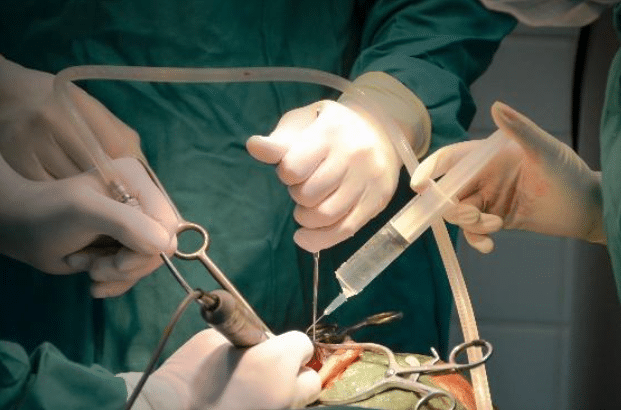
When you think of surgery, you may imagine skilled hands, precise instruments, and high-tech equipment. But one of the most important—and often overlooked—tools in the operating room is something much simpler: irrigation solutions. These sterile liquids are used to clean and protect surgical sites, helping to reduce the risk of infection and promote healing. In this article, we will take a closer look at what irrigation solutions are, why they are used, and how they impact patient outcomes.
What Are Irrigation Solutions?
Surgical irrigation solutions are sterile fluids used during procedures to cleanse tissues, flush out blood and debris, and reduce bacterial load. Essentially, they act like a rinse for the surgical site, ensuring a clear view during the surgery and a cleaner and safer environment before the surgeon closes the wound. The mode of action for irrigation solutions is mechanical, however, the solutions utilized are also of interest. These solutions vary in composition and function, and the choice of which to use depends on the type of surgery, patient risk factors, and the surgeon’s goals.
Common Types of Irrigation Solutions
- Normal Saline (0.9% Sodium Chloride):
- The most widely used solution.
- Isotonic (similar to the natural fluids in your body) and gentle, making it safe for most tissues.
- Primarily used to flush wounds, or surgical sites.
- Sterile Water:
- Hypotonic, meaning it can cause cells to burst (lyse).
- Often used in procedures like bladder irrigation.
- Antimicrobial Solutions (e.g., PHMB, Iodine, and Chlorhexidine):
- Used as a preservative to reduce bioburden within the solution.
- During the mechanical action, the solution comes in contact with disrupted microbes to reduce bioburden.
- Highly utilized for contaminated wounds or high-infection-risk surgeries.
- Antibiotic-Infused Irrigation:
- Combines saline or sterile water with antibiotics.
- Historically used to reduce infection in patients at high risk.
- Antibiotic solutions can promote antimicrobial resistance and must remain in contact with tissue for long periods to be effective.
Benefits of Surgical Irrigation
- Infection Control: One of the main goals is to physically remove bacteria, dead tissue, and foreign materials that could lead to post-operative infection.
- Tissue Preservation: Gentle irrigation helps keep tissues moist, reducing cellular damage and supporting better healing.
- Improved Visibility: Clearing blood and debris helps surgeons see the surgical field more clearly, reducing complications.
- Enhanced Wound Healing: By lowering the bacterial load and keeping tissues hydrated, irrigation promotes faster, healthier recovery.
Risks and Considerations
While generally safe, irrigation solutions must be used correctly to avoid complications:
- Tissue Damage: Some solutions, particularly antiseptics or sterile water, can damage healthy cells if used improperly.
- Allergic Reactions: Though rare, certain patients may react to antiseptic, and antimicrobial ingredients.
- Delivery Methods: Pulsed irrigation versus gravity flow is selected based on tissue tolerance and surgeon preference.
- Antibiotic Resistance: Overuse of antibiotic irrigation can contribute to resistance, a growing concern in healthcare.
- Fluid Overload: Excessive irrigation, especially in confined spaces like the chest or brain, can cause swelling or pressure-related complications.
Because of these risks, surgeons must carefully choose the right solution and volume for each procedure.
When and Why Are They Used?
Irrigation is used in a variety of surgical settings:
- Orthopedic Surgery: To improve exposure and prevent infection in joint replacements or clean contaminated bone and soft tissues from open trauma or established infections.
- Spine Surgery: To remove debris and bacteria during surgery to enhance visualization and help prepare for surgical fixation.
- Abdominal Surgery: To assist in the removal of bacteria and debris after removing an infected organ, such as an appendix or a perforation in the bowel.
- Trauma Surgery: To clean out dirt and foreign materials in open wounds.
- Dental and ENT Surgeries: To prepare surgical sites and minimize infection risk.
The decision to use irrigation—and what type—is based on patient-specific factors like infection risk, tissue type, and the nature of the surgery.
The Takeaway
Though they may seem simple, irrigation solutions play a powerful role in surgical success. They help cleanse, protect, and prepare the body for healing, all while reducing the risk of infection. Like every tool in modern medicine, they require knowledge, care, and precision.
If you’re planning surgery, do not hesitate to ask your doctor about the steps they take to reduce infection risk, including their use of irrigation. Understanding these behind-the-scenes practices can give you peace of mind and a deeper appreciation for the science of healing.
To learn more about the Sanara MedTech product, BIASURGE® Advanced Surgical Solution, please visit BIASURGE® Advanced Surgical Solution | Sanara MedTech | No Rinse Irrigation Solution | Mechanical Cleansing and Removal of Debris.
Medical Disclaimer
This blog is for informational purposes only and does not constitute medical advice. Content is not intended to diagnose, treat, cure, or prevent any disease and has not been evaluated by the U.S. Food and Drug Administration (FDA). Always consult a licensed healthcare provider before making medical decisions. The use of this information is at the sole discretion of the reader.
References:
- Chambers MM, Namdari S. A Review of Surgical Irrigation Solutions for Infection Prevention in Orthopaedic Surgery. JBJS Rev. 2023 Dec 11;11(12):e23.00158. doi: 10.2106/JBJS.RVW.23.00158. PMID: 38079492.
- Groenen H, Bontekoning N, Jalalzadeh H, Buis DR, Dreissen YEM, Goosen JHM, Graveland H, Griekspoor M, IJpma FFA, van der Laan MJ, Schaad RR, Segers P, van der Zwet WC, Orsini RG, Eskes AM, Wolfhagen N, de Jonge SW, Boermeester MA. Incisional Wound Irrigation for the Prevention of Surgical Site Infection: A Systematic Review and Network Meta-Analysis. JAMA Surg. 2024 Jul 1;159(7):792-800. doi: 10.1001/jamasurg.2024.0775. PMID: 38656408; PMCID: PMC11044014.